 © Tommy Ga-Ken Wan
Last active 4 months ago
Dance People


Enter a glimpse of the process of Dance People — a creation shaped through encounters, movement, questions, and shared experiences. This space opens the work beyond the stage, inviting you to follow the research, discoveries, and evolving conversations that continue to shape the piece.

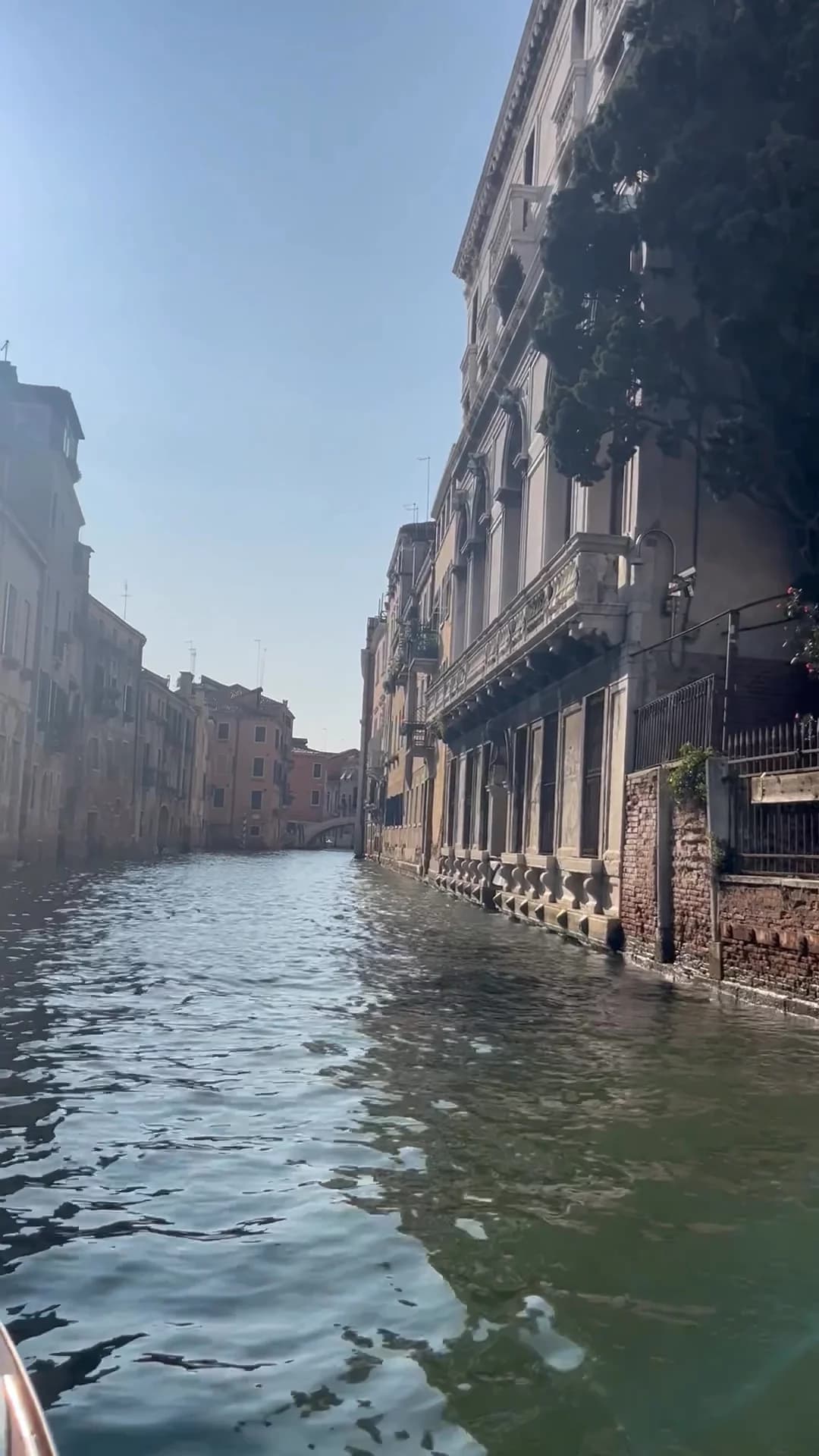
Time is mainly understood through the shifting of space, and for this reason we automatically develop a linear understanding of it. But when space is not defined by shape or fixed form, then time no longer follows the same logic. In my practice, I do not approach space as a fixed form, but as a field of relationships that is constantly shifting. In this perspective, time grows, widens, narrows down, and builds a rhythm that is not necessarily confined to a fixed tempo. Time, in this sense, is a void measured by actions rather than forms. - Omar Rajeh
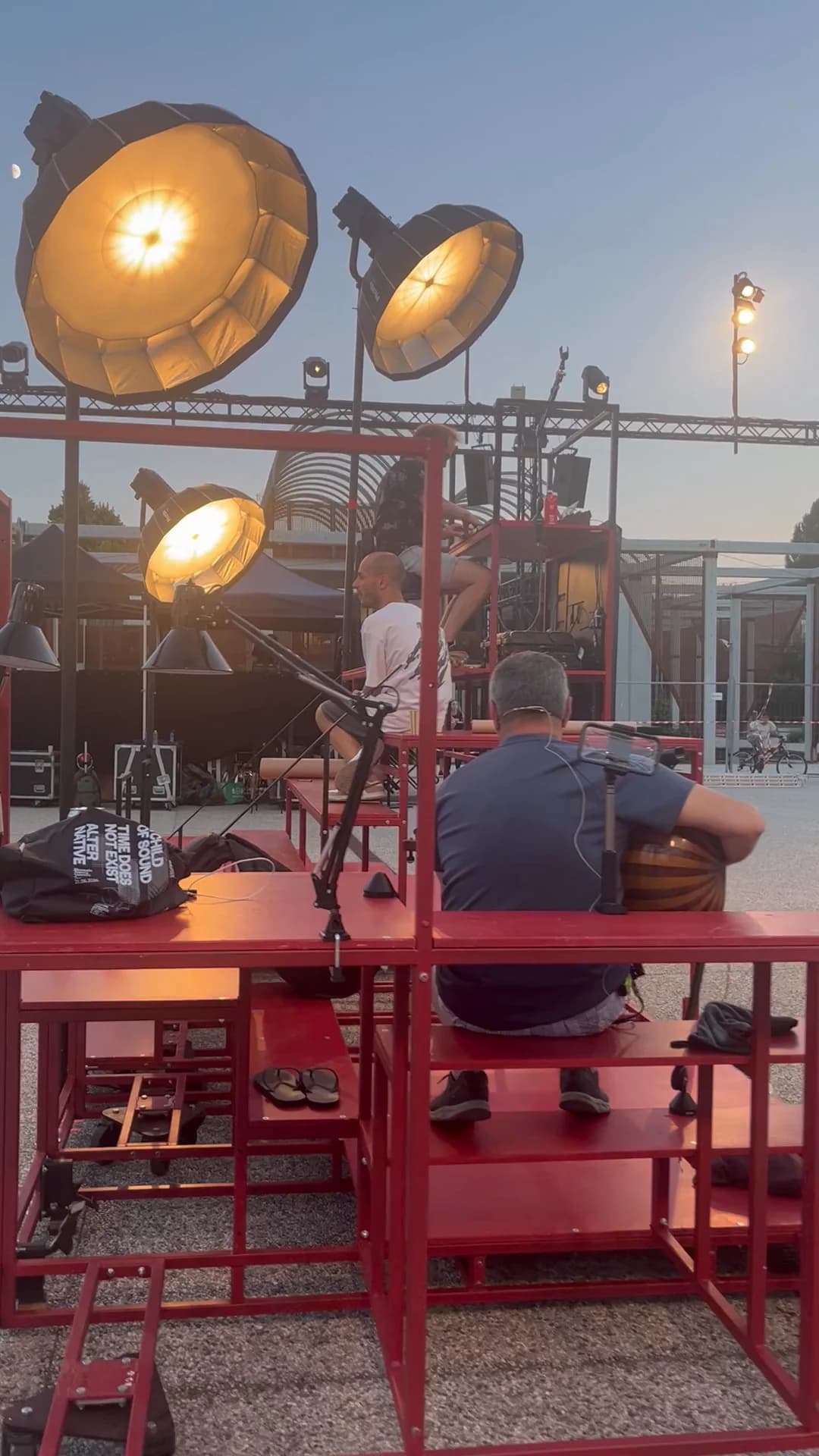


I like to throw myself into the experience of doing. I see it as a continuous challenge to understand the process of building a composition while developing an accumulation of the present time. On one hand, the present moment is never isolated. It is always an outcome of past experiences, or at least in contact with them. On the other hand, it is also the moment of action, the moment from which a future composition can be imagined. What interests me is exactly this unstable condition of the present: a moment that is always vanishing, yet remains the only possible moment of encounter. - Omar Rajeh
Time is mainly understood through the shifting of space, and for this reason we automatically develop a linear understanding of it. But when space is not defined by shape or fixed form, then time no longer follows the same logic. In my practice, I do not approach space as a fixed form, but as a field of relationships that is constantly shifting. In this perspective, time grows, widens, narrows down, and builds a rhythm that is not necessarily confined to a fixed tempo. Time, in this sense, is a void measured by actions rather than forms. - Omar Rajeh
I like to throw myself into the experience of doing. I see it as a continuous challenge to understand the process of building a composition while developing an accumulation of the present time. On one hand, the present moment is never isolated. It is always an outcome of past experiences, or at least in contact with them. On the other hand, it is also the moment of action, the moment from which a future composition can be imagined. What interests me is exactly this unstable condition of the present: a moment that is always vanishing, yet remains the only possible moment of encounter. - Omar Rajeh